1. What is the Common Cold?
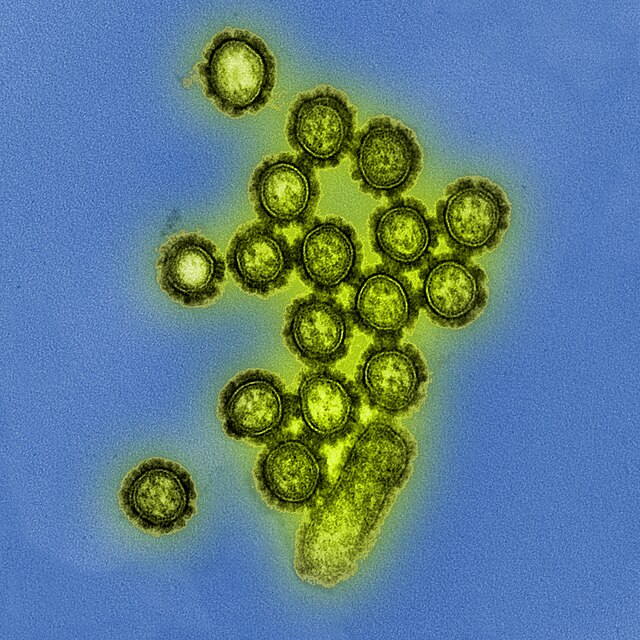
The common cold is a viral infection of the upper respiratory tract, primarily affecting the nose and throat. Although it is usually mild, it remains the most frequent infectious illness in humans. The common cold can be caused by 200 different viruses. Adults typically experience 2–4 colds per year, while children may have 6–8.
2. Common Cold Causes: Viruses Behind the Infection (Pathophysiology)
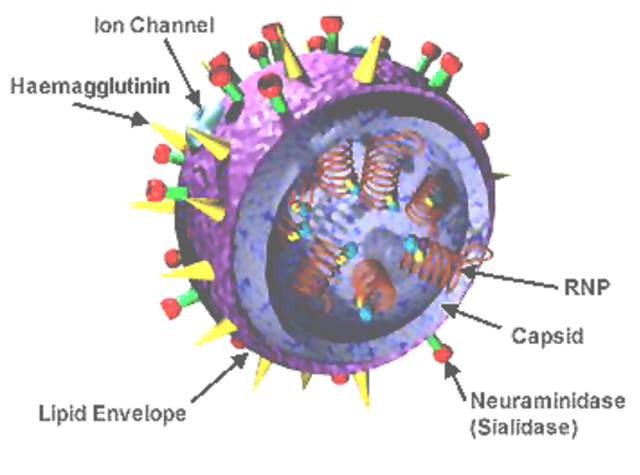
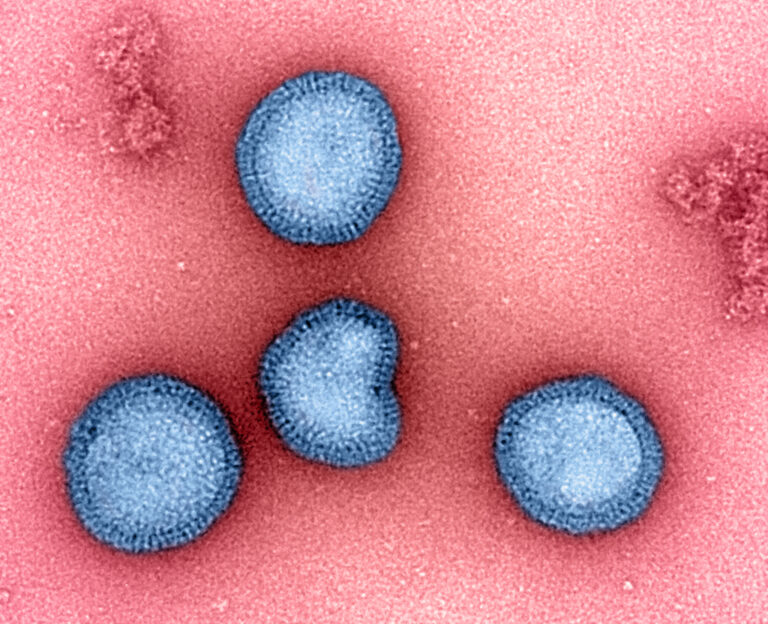
The primary cause of the common cold is viral infection. More than 200 viruses can trigger cold symptoms. The most common include:
- Rhinoviruses – Responsible for 50–70% of all common cold cases.
- Coronaviruses – Account for 10–15% of cold infections. Though some strains (like SARS-CoV-2) can cause severe disease.
- Adenoviruses – Can cause respiratory symptoms and conjunctivitis.
- Parainfluenza viruses – Often affect children and can cause croup.
- Respiratory Syncytial Virus (RSV) – Causes mild colds in adults but can be serious in infants.
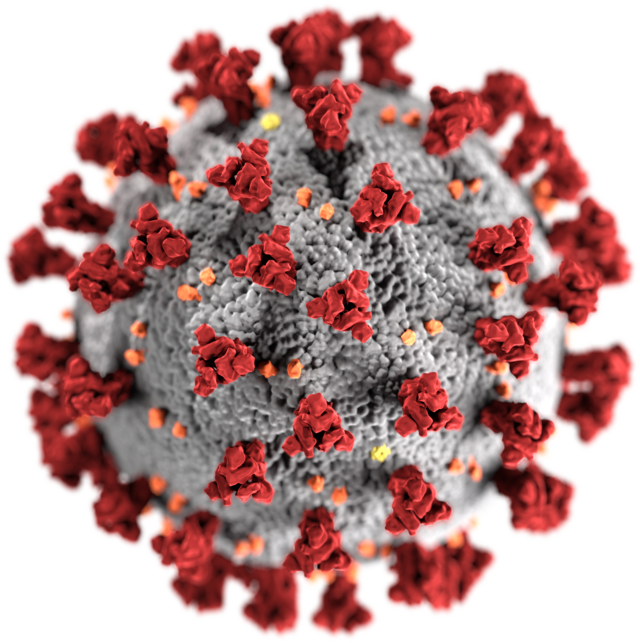
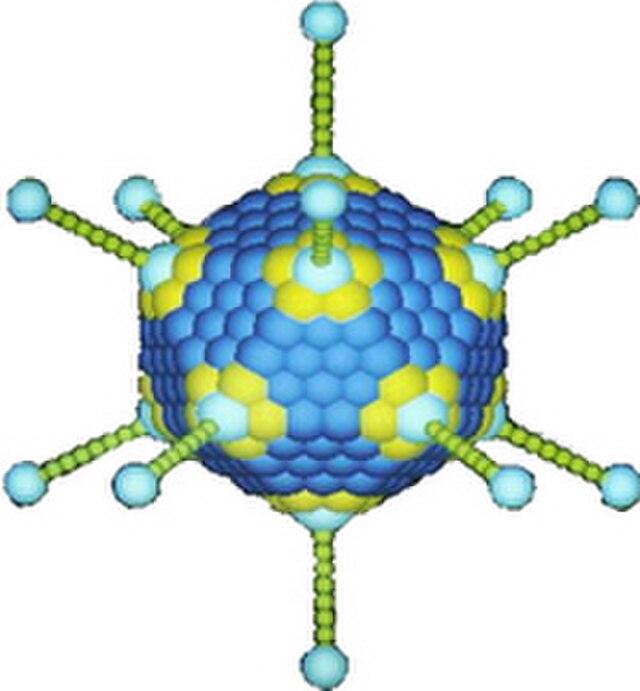
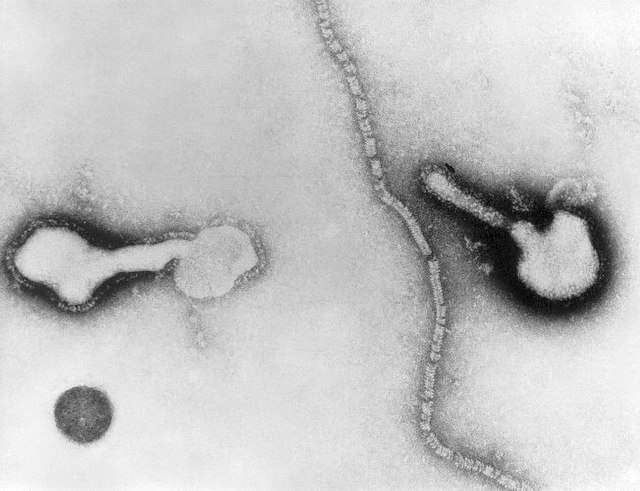
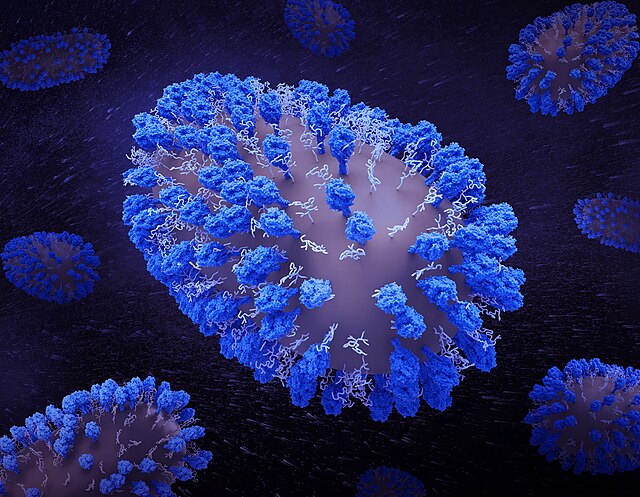
These viruses enter the body through inhalation of respiratory droplets or contact with contaminated surfaces. Once in the nasal cavity, viruses attach to specific receptors on epithelial cells, replicate rapidly, and trigger an immune response that produces the characteristic cold symptoms.
3. Transmission and Incubation Period
The common cold spreads mainly through:
- Aerosol droplets when an infected person coughs or sneezes.
- Direct contact with contaminated surfaces or hands.
Incubation period: 1–3 days after exposure.
Infectious period: Usually the first 2–3 days of symptoms.
4. Clinical Symptoms
Typical symptoms appear gradually and may include:
| Symptom | Description | Duration |
|---|---|---|
| Nasal congestion | Blocked or runny nose | 7–10 days |
| Sore throat | Mild irritation or pain | 2–3 days |
| Sneezing | Frequent during early stage | 2–4 days |
| Cough | Usually dry; may persist | up to 2 weeks |
| Low-grade fever | More common in children | < 38°C |
| Fatigue, mild headache | Due to immune response | Variable |
5. Diagnosis
Usually based on clinical presentation.
Laboratory tests are rarely needed but may include:
- Nasopharyngeal swab PCR test for viral detection (used in research or severe cases).
- Rule out influenza or COVID-19 if symptoms overlap.
6. Treatment and Management
There is no cure for the common cold; management is symptomatic:
- Rest and hydration – essential for recovery.
- Saline nasal sprays or steam inhalation – relieve congestion.
- Paracetamol or ibuprofen – for fever and discomfort.
- Cough suppressants or antihistamines – limited benefit in adults.
- Zinc supplements and Vitamin C – may shorten symptom duration slightly (evidence mixed).
Antibiotics are NOT effective because the common cold is caused by viruses, not bacteria.
7. Prevention
- Frequent handwashing with soap or sanitizer.
- Avoid touching face, nose, and mouth with unwashed hands.
- Use tissues or elbow to cover coughs/sneezes.
- Avoid close contact with infected individuals.
- Disinfect frequently touched surfaces.
Currently, no vaccine exists for the common cold due to the large number of causative viruses and their frequent mutations.
8. Complications
Though typically mild, complications can occur, especially in children or immunocompromised individuals:
- Acute otitis media (ear infection)
- Sinusitis
- Bronchitis
- Asthma exacerbation
9. Prognosis
Symptoms generally resolve within 7–10 days, though cough may last longer.
Severe cases are rare, and most individuals recover completely without medical treatment.
Scientific References
- Eccles R. Understanding the symptoms of the common cold and influenza. Lancet Infect Dis. 2005;5(11):718–725.
- Heikkinen T, Järvinen A. The common cold. Lancet. 2003;361(9351):51–59.
- Turner RB. The common cold. BMJ Clinical Evidence. 2011.
- CDC. Common Cold Overview. Centers for Disease Control and Prevention.
- NIH. Common Cold – MedlinePlus.