What is Influenza Type B?
Influenza Type B is a contagious respiratory illness caused by the Influenza B virus. Unlike Influenza A, it primarily infects humans, contributing to seasonal flu epidemics worldwide. While less likely to cause pandemics, it significantly affects children and young adults. In some cases, it leads to hospitalization, especially in vulnerable populations such as the elderly or immunocompromised.
Influenza B is characterized by recurrent seasonal outbreaks and is a major component of the annual influenza burden.

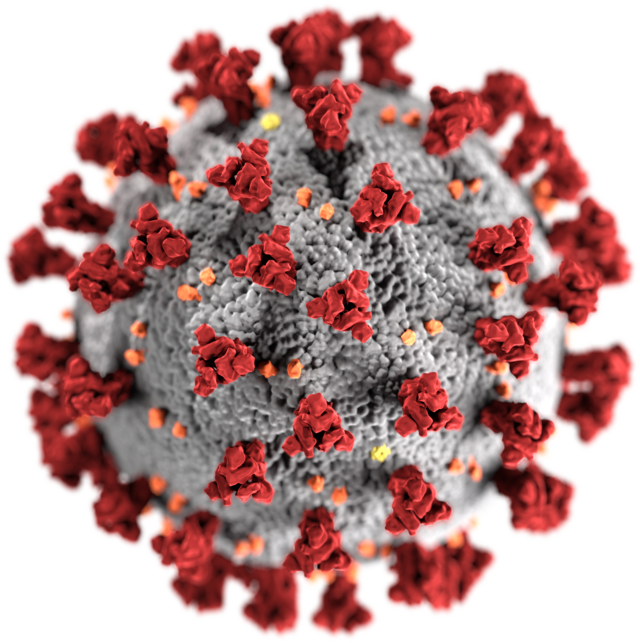
Image: Influenza Type B
What are the virology and structure of Influenza B?
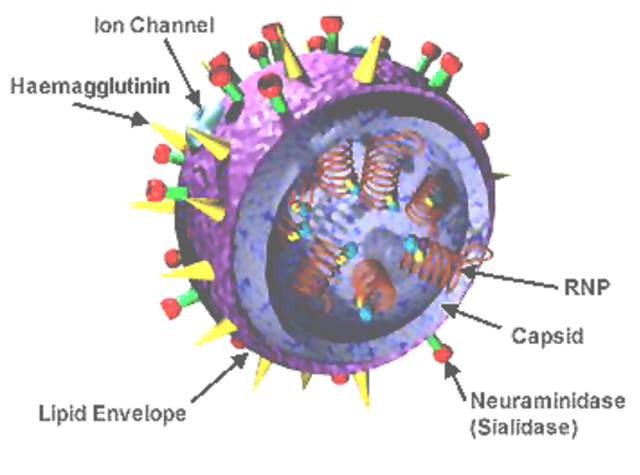
The virus is an enveloped, negative-sense, single-stranded RNA virus of the Orthomyxoviridae family. Two main lineages exist: B/Yamagata and B/Victoria. Its surface glycoproteins—hemagglutinin (HA) and neuraminidase (NA)—mediate host cell attachment and viral release.
Antigenic drift in Influenza B leads to minor changes in HA and NA, necessitating annual vaccine updates.

Image: Structure of Influenza B
How does Influenza B spread and what is its epidemiology?
Transmission occurs via respiratory droplets, direct contact, and contaminated surfaces. Influenza B is mainly a seasonal infection in temperate regions (winter months) but can occur year-round in tropical areas. Children are particularly susceptible, and the virus accounts for approximately 20–30% of seasonal influenza cases.
Close living environments, schools, and childcare centers facilitate rapid spread.
What are the common symptoms of Influenza B?
- Sudden fever and chills
- Fatigue and malaise
- Cough, sore throat, and runny nose
- Muscle aches and headache
- Occasionally nausea, vomiting, or diarrhea
Complications include pneumonia, exacerbation of chronic illnesses, and severe respiratory distress in high-risk individuals.
How is Influenza B diagnosed?
Diagnosis begins with clinical evaluation. Laboratory tests include:
- Rapid Influenza Diagnostic Tests (RIDTs) – quick but moderate sensitivity
- RT-PCR – highly accurate, differentiates Influenza A and B
- Viral culture – rarely used due to longer processing time
Early diagnosis allows timely antiviral intervention and limits transmission.
How is Influenza B treated and managed?
Most cases resolve within 5–7 days with supportive care: rest, hydration, and antipyretics. Antiviral therapy, if administered within 48 hours of symptom onset, reduces severity:
- Oseltamivir (oral)
- Zanamivir (inhaled)
- Baloxavir marboxil (oral single dose)
Severe cases may require hospitalization with oxygen support, fluid management, and monitoring of complications.
How can Influenza B be prevented?
Prevention strategies include:
- Annual influenza vaccination (quadrivalent vaccines cover both B lineages)
- Hand hygiene and mask use
- Avoiding close contact with infected individuals
- Isolation of sick patients to prevent spread
These measures significantly reduce infection risk and community transmission.
What are the global patterns and geographic insights of Influenza B?
Influenza B peaks in winter in temperate regions and occurs year-round in tropical climates. The virus contributes notably to pediatric hospitalization rates. Surveillance by WHO and CDC informs annual vaccine formulation by identifying circulating lineages.
What is the current research and recent developments on Influenza B?
Research focuses on:
- Universal vaccines targeting conserved viral proteins across Influenza A and B
- Genetic sequencing to detect emerging strains for vaccine updates
- Studying antiviral resistance and immune responses
Ongoing studies aim to improve prevention and reduce seasonal burden.
What is the overall impact and conclusion about Influenza B?
Influenza B causes significant seasonal morbidity, particularly in children and young adults. While less pandemic-prone than Influenza A, it can still lead to severe illness, hospitalization, and healthcare burden. Vaccination, public health awareness, and surveillance remain critical to minimize its impact.
References
- World Health Organization (WHO). Influenza (Seasonal). Retrieved 2025.
- Centers for Disease Control and Prevention (CDC). Types of Influenza Viruses.
- Uyeki TM et al. “Clinical Practice Guidelines for Influenza.” Clinical Infectious Diseases, 2024.
- European Centre for Disease Prevention and Control (ECDC). Seasonal Influenza Reports 2025.
- Image source NIAID, Aitor Nogales and Luis Martínez-Sobrido.