1. What is Influenza Type A?
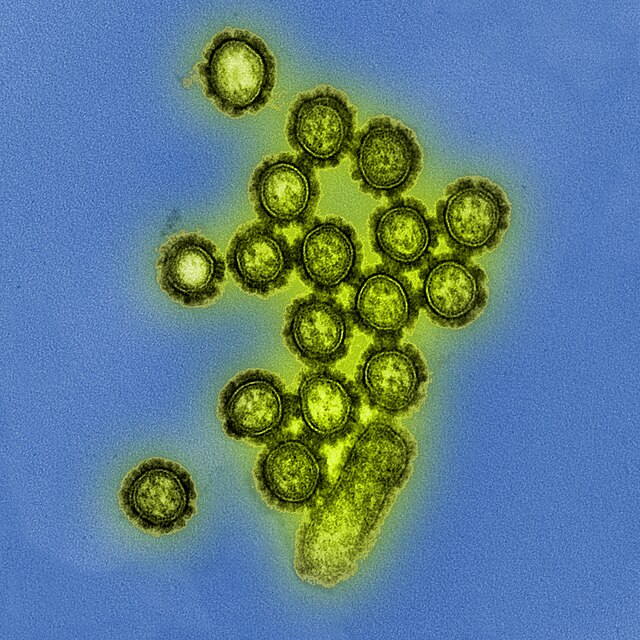
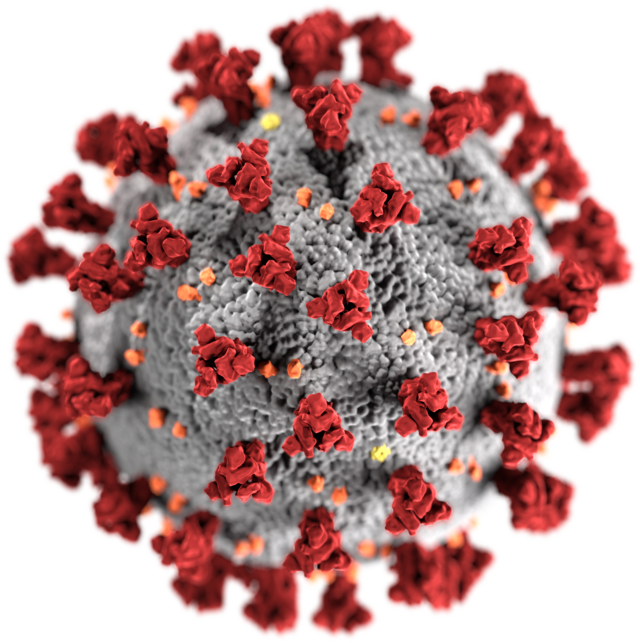
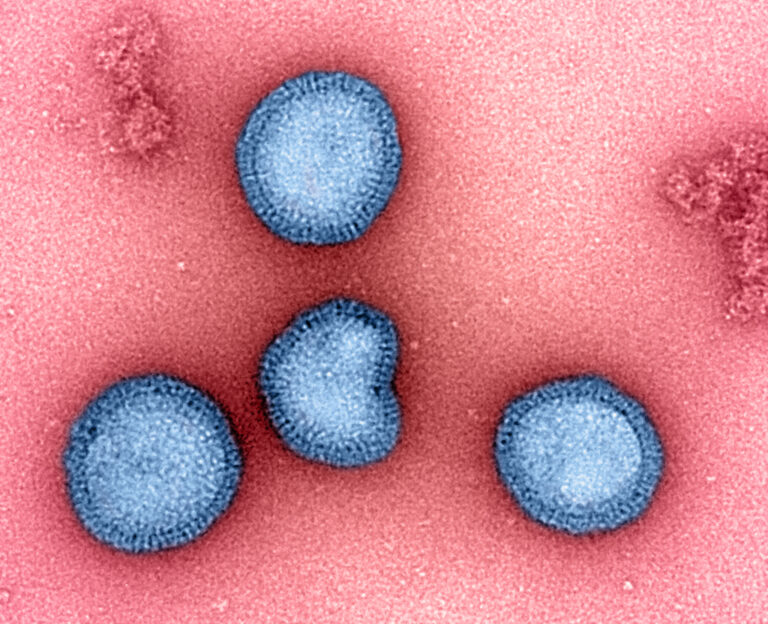
Influenza Type A is a highly contagious viral infection caused by the Influenza A virus, a member of the Orthomyxoviridae family. It primarily affects the respiratory system — the nose, throat, and lungs — and is responsible for most seasonal flu epidemics and occasional pandemics worldwide.
Influenza A can infect both humans and animals, especially birds and pigs, which makes it a zoonotic virus capable of crossing species barriers.
2. What is the structure of Influenza A virus?
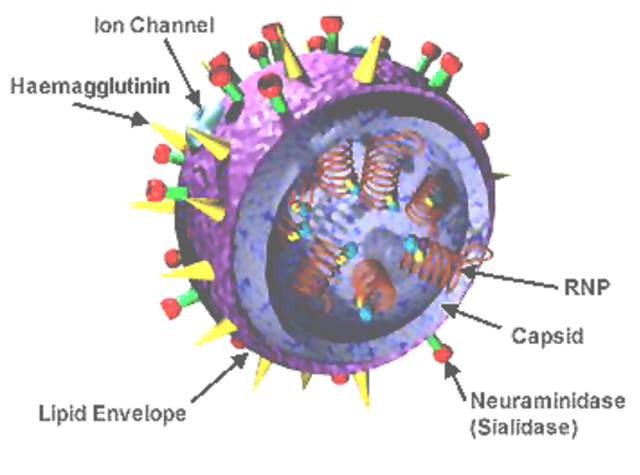
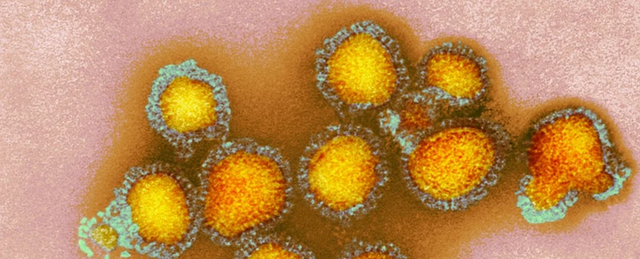
The virus has a spherical or filamentous structure and contains:
- Single-stranded, negative-sense RNA genome divided into 8 segments.
- Envelope proteins:
- Hemagglutinin (HA): Helps the virus attach to host cells.
- Neuraminidase (NA): Assists in releasing new virus particles.
These two proteins determine the virus subtype, such as H1N1 or H3N2.
3. How many subtypes of Influenza A exist?
Scientists have identified:
- 18 Hemagglutinin (H1–H18)
- 11 Neuraminidase (N1–N11)
This allows for 198 possible subtype combinations (e.g., H1N1, H5N1).
However, only some combinations infect humans — mainly H1N1 and H3N2.
4. How does Influenza A spread?
The virus spreads mainly through:
- Respiratory droplets from coughing, sneezing, or talking.
- Direct contact with contaminated surfaces or hands.
- Airborne transmission in closed, crowded spaces.
It has an incubation period of 1 to 4 days after exposure.
5. What are the symptoms of Influenza Type A?
Common symptoms include:
- High fever and chills
- Cough, sore throat, and nasal congestion
- Headache, muscle and joint pain
- Fatigue and body weakness
- Loss of appetite
Severe infections may cause:
- Pneumonia
- Acute respiratory distress syndrome (ARDS)
- Heart or kidney complications
6. Who is at higher risk of severe Influenza A infection?
People most vulnerable include:
- Children under 5 years
- Adults over 65 years
- Pregnant women
- People with chronic illnesses (diabetes, asthma, heart disease)
- Immunocompromised patients
7. How is Influenza Type A diagnosed?
Diagnosis is usually made using laboratory tests:
- RT-PCR (Reverse Transcription Polymerase Chain Reaction): The most accurate test for detecting viral RNA.
- Rapid Influenza Diagnostic Tests (RIDTs): Quick, but less sensitive.
- Viral Culture: Used for strain identification and research purposes.
8. What treatments are available for Influenza A?
Treatment includes:
- Antiviral drugs:
- Oseltamivir (Tamiflu)
- Zanamivir (Relenza)
- Peramivir (Rapivab)
These inhibit neuraminidase, reducing viral spread.
- Supportive care:
- Adequate rest
- Fluid intake
- Fever control with paracetamol or ibuprofen
Antivirals work best if taken within 48 hours of symptom onset.
9. How can Influenza A be prevented?

a. Annual Vaccination
The most effective prevention method.
The flu vaccine is updated yearly based on circulating strains.
b. Personal Hygiene
- Wash hands frequently.
- Wear masks during outbreaks.
- Cover mouth and nose when sneezing.
- Avoid close contact with sick individuals.
c. Surveillance
Health authorities monitor animal and human cases to detect new strains early.
10. What are the major Influenza A pandemics in history?
| Year | Strain | Common Name | Impact |
|---|---|---|---|
| 1918 | H1N1 | Spanish Flu | Over 50 million deaths worldwide |
| 1957 | H2N2 | Asian Flu | Global pandemic |
| 1968 | H3N2 | Hong Kong Flu | Millions infected globally |
| 2009 | H1N1 | Swine Flu | Caused widespread illness worldwide |
11. Why does Influenza A keep coming back every year?
Because the virus undergoes:
- Antigenic Drift: Small genetic mutations in HA and NA cause new variants.
- Antigenic Shift: Large genetic reassortments create entirely new subtypes.
These changes make the immune system less able to recognize the virus, leading to new outbreaks each year.
12. What is the difference between Influenza A and B?
| Feature | Influenza A | Influenza B |
|---|---|---|
| Hosts | Humans & animals | Humans only |
| Pandemics | Yes | No |
| Subtypes | Many (H1N1, H3N2, etc.) | Only 2 lineages (Victoria, Yamagata) |
| Severity | Usually more severe | Generally milder |
13. Can Influenza A be fatal?
Yes. While most cases are mild, Influenza A can cause severe respiratory failure or secondary bacterial infections, especially in high-risk patients. Annual vaccination helps reduce death and hospitalization rates.
14. How does Influenza A affect global health?
Influenza A is responsible for:
- 3–5 million severe cases and
- Up to 650,000 deaths annually worldwide (WHO estimates).
Continuous vaccine research and viral surveillance are critical for preventing future pandemics.
Conclusion
Influenza Type A remains one of the world’s most unpredictable and dangerous respiratory pathogens. Through vaccination, antiviral treatment, and global monitoring, its devastating effects can be significantly reduced.
Sources / References
- World Health Organization (WHO) – Influenza (Seasonal)
- Centers for Disease Control and Prevention (CDC) – Types of Influenza Viruses
- National Institutes of Health (NIH) – Influenza Virus Research
- Fields Virology, 7th Edition, 2020.
- Taubenberger JK, Morens DM. “1918 Influenza: The Mother of All Pandemics.” Emerging Infectious Diseases, 2006.