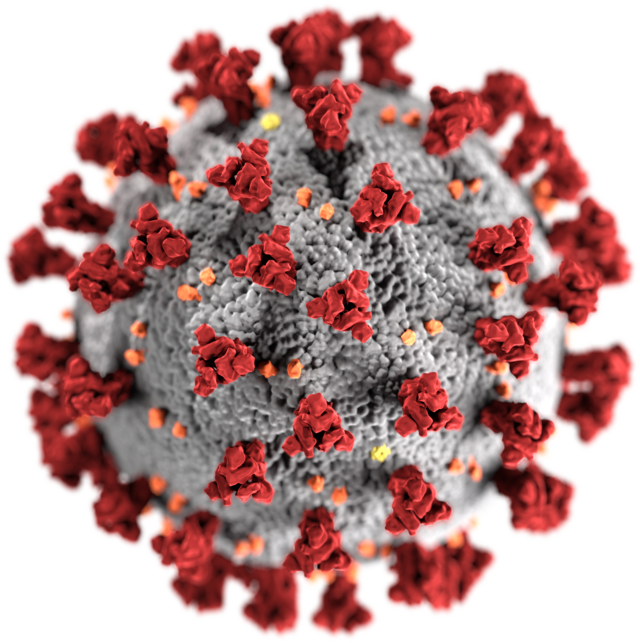
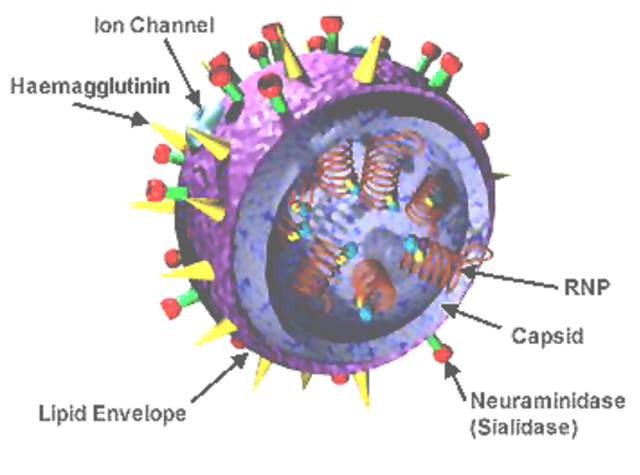
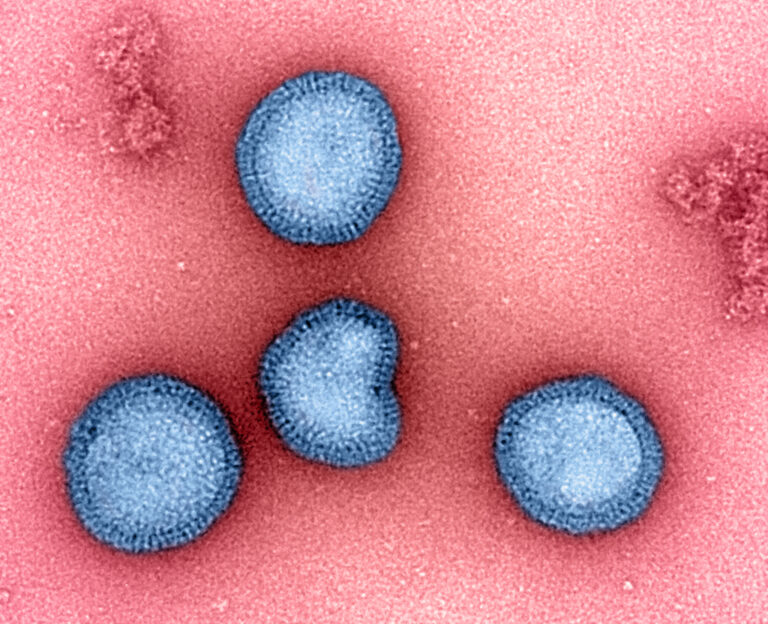
H1N1 influenza, commonly known as swine flu, is a subtype of the influenza A virus that causes respiratory illness in humans. The virus has two key surface proteins: Hemagglutinin (H) and Neuraminidase (N) — that’s where the name “H1N1” comes from. These proteins help the virus attach to and spread between cells inside the body.
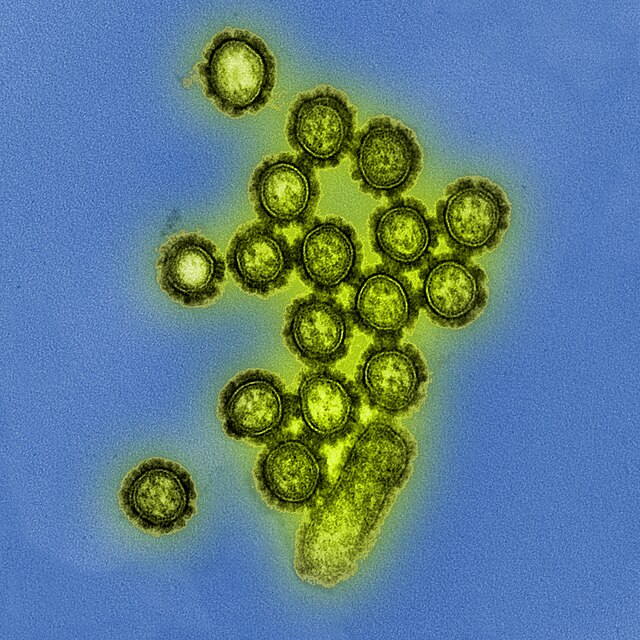
The H1N1 virus became globally known in 2009, when a new strain caused a major pandemic. Millions of people were infected, and the outbreak spread across countries within weeks. While that pandemic officially ended, the H1N1 virus didn’t disappear. Instead, it became part of the seasonal flu viruses that continue to circulate every year.
Most H1N1 infections today are mild, but the virus can still cause serious illness in some people — especially children, pregnant women, older adults, and those with chronic health conditions such as asthma, diabetes, or heart disease.
How Does H1N1 Spread?
H1N1 spreads mainly through respiratory droplets that come out when an infected person coughs, sneezes, or even talks. These droplets can land in the mouths or noses of nearby people, or they can settle on surfaces like door handles and phones. If someone touches those surfaces and then touches their face, they can catch the virus.
In some rare cases, the virus can jump from pigs to humans, which is why it was originally called “swine flu.” However, once it started spreading among humans, it adapted and began circulating just like other flu viruses.
Crowded or poorly ventilated places — like buses, schools, or offices — make it easier for the virus to spread. Because of this, maintaining personal hygiene and distance during flu season plays a major role in prevention.
Common Symptoms of H1N1
The symptoms of H1N1 influenza are very similar to those of seasonal flu. Most people experience:
fever, dry cough, sore throat, runny nose, body or muscle aches, headache, chills, fatigue, and sometimes vomiting or diarrhea.
Symptoms usually start one to three days after exposure and can last up to a week. While most cases are mild, the infection can sometimes lead to complications such as pneumonia or respiratory failure, particularly in vulnerable individuals.
If you experience shortness of breath, persistent chest pain, confusion, or high fever lasting more than three days, you should seek medical help immediately.
Diagnosing H1N1
Doctors typically diagnose H1N1 based on symptoms, but confirmation requires a lab test. The RT-PCR test (Reverse Transcriptase Polymerase Chain Reaction) is the most accurate method — it detects the virus’s genetic material from a nose or throat swab.
Rapid influenza tests are also available, but they may not be as sensitive as PCR. In hospitals or research labs, viral cultures may be used to study the virus further. Early diagnosis is important because it allows doctors to start antiviral treatment sooner and prevent serious complications.

Treatment Options
Most cases of H1N1 resolve on their own with rest, fluids, and over-the-counter medicines to relieve fever or pain. However, doctors may prescribe antiviral drugs for people who are at higher risk or show severe symptoms.
The most common antiviral medications are Oseltamivir (Tamiflu), Zanamivir (Relenza), and Peramivir (Rapivab). These drugs help reduce the duration of illness and prevent complications if started within 48 hours of symptom onset.
Along with medication, patients should rest, stay hydrated, and avoid physical exertion. Using paracetamol or ibuprofen can help control fever and muscle pain. Children should not take aspirin during flu infection, as it can cause a rare but serious condition called Reye’s syndrome.
Severe cases may require hospitalization, especially if patients develop breathing difficulties or dehydration. In hospitals, treatment may include oxygen therapy, intravenous fluids, and ventilator support in critical situations.
Prevention: How to Stay Safe from H1N1
The best protection against H1N1 influenza is the seasonal flu vaccine, which is updated every year to include the most common circulating strains, including H1N1. Everyone over six months old is advised to get vaccinated annually, especially healthcare workers, children, pregnant women, and the elderly.
In addition to vaccination, simple hygiene habits go a long way in preventing infection. Wash your hands frequently with soap and water or use an alcohol-based hand sanitizer when outside. Avoid touching your eyes, nose, and mouth, as these are common entry points for the virus.
Cover your mouth and nose when coughing or sneezing — ideally with a tissue or your elbow instead of your hands. Stay home if you’re feeling sick, and avoid close contact with others until you recover. Maintaining a healthy lifestyle — with proper diet, exercise, and sleep — also helps strengthen the immune system and reduce the risk of infection.
Global Situation and Outlook
After the 2009 pandemic, H1N1 became a regular part of the seasonal flu cycle. It continues to circulate globally, often alongside other influenza A and B viruses. Health organizations such as the World Health Organization (WHO) and Centers for Disease Control and Prevention (CDC) constantly monitor H1N1 and other flu strains for mutations that could make them more infectious or severe.
Scientists are also studying the genetic evolution of the virus to develop more effective treatments and vaccines. There’s ongoing research into a universal flu vaccine — one that could protect against all major influenza strains for many years.
Although future pandemics can’t be ruled out, better global surveillance systems and faster vaccine production mean the world is now more prepared than it was in 2009.
Key Takeaways
H1N1 influenza, or swine flu, is a respiratory disease caused by a strain of the influenza A virus. It spreads through droplets from coughs and sneezes and causes symptoms similar to seasonal flu, such as fever, cough, and body aches. Most infections are mild, but some can lead to serious complications.
Prevention through vaccination, hygiene, and awareness is the most effective way to stay safe. If you develop symptoms, rest, stay hydrated, and seek medical advice early — especially if you belong to a high-risk group.
By taking small preventive steps and staying informed, we can all play a part in stopping the spread of H1N1 and other flu viruses.
References
- StatPearls: H1N1 Influenza. NCBI Bookshelf. https://www.ncbi.nlm.nih.gov/books/NBK513241
- Khandaker G. et al. Influenza and Other Respiratory Viruses. (2011) PMC5657010
- Shekhawat M., Sharma M. Review on Influenza A H1N1 Virus. IJPBA (2015). Link
- eLife Sciences. Influenza Reassortment Studies. Link
- Verywell Health. H1N1: Causes, Symptoms, and Prevention (2024). https://www.verywellhealth.com/h1n1-7644754